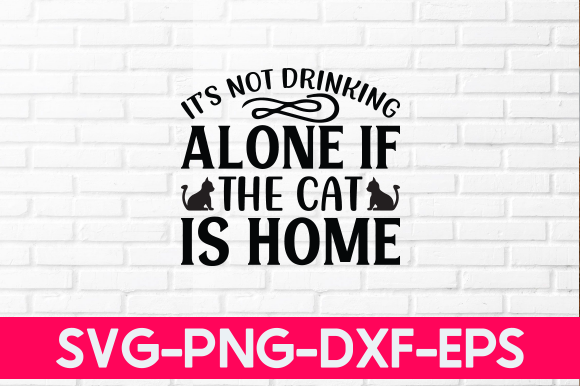
It’s Not Drinking Alone if the Cat is Ho
A First Look at the Design’s Personality
At first glance, It’s Not Drinking Alone if the Cat is Ho has a playful yet approachable vibe. The imagery feels like it could be found in a cozy café or on a quirky T-shirt from a local shop. It’s not overly complicated, which makes it feel accessible for both beginners and seasoned embroiderers. The layout is balanced with enough detail to stand out but not so much that it becomes overwhelming.
The theme of companionship—especially with a cat—adds a layer of charm that can easily resonate with a wide audience. This design seems to naturally fit into projects aimed at creating a sense of comfort, humor, or nostalgia. Whether it's a personalized gift or a boutique product, this design brings a friendly and relatable message to the table.
Real-Life Embroidery Use: A Custom Tote Bag Scenario
Let’s imagine using It’s Not Drinking Alone if the Cat is Ho on a custom embroidered tote bag. The size of the design would work well on a medium-sized tote, giving it enough space to show off without feeling cramped. The placement would likely be centered or near the bottom, depending on the overall look you're aiming for.
One thing to consider is the fabric choice. A cotton canvas tote would provide good stability and texture, allowing the stitches to pop. However, if the fabric is too thin or stretchy, the design might lose some of its clarity. Using a stabilizer underneath could help maintain the integrity of the embroidery, especially around detailed areas like the cat’s face or the text.
Another practical consideration is thread color contrast. If the tote is white or light-colored, dark thread colors would make the design stand out more. On the other hand, if the tote is a darker shade, lighter threads could create an interesting visual effect. Testing the design on scrap fabric before committing to the final project is always a smart move.
Where This Design Shines and Where It Might Need Care
It’s Not Drinking Alone if the Cat is Ho performs well on larger surfaces such as tote bags, sweatshirts, and posters. Its clean lines and recognizable elements make it ideal for custom apparel and handmade products. For instance, this design could easily be transformed into an embroidered patch for a baby blanket or a decorative accent on a pillow cover.
However, there are situations where this design may require extra attention. When working with small hoop sizes, the details might get lost or distorted. Similarly, if the fabric is textured or stretchy, the stitching could appear uneven. Dense stitch areas around the cat’s features should be checked for proper coverage and density to avoid puckering.
If you plan to use this design on curved surfaces like caps or hats, it's important to ensure the layout adapts well to the shape. Tiny lettering or intricate details might not translate as clearly on smaller items, so testing on different scales is recommended.
Design Impact on Visual Appeal and Branding
This design adds a touch of personality to any finished product. Its whimsical nature makes it highly appealing for handmade gifts, boutique branding, or even Etsy listings. It can elevate the visual appeal of a simple T-shirt or transform a basic mug into a standout piece.
For small business owners or crafters, using It’s Not Drinking Alone if the Cat is Ho can help establish a consistent brand identity. Whether it's for holiday gifts, personalized products, or commercial embroidery, the design contributes to a cohesive and engaging presentation.
Customer trust is also influenced by how well the design integrates into the final product. A clear, well-executed embroidery increases the perceived value of the item and enhances the overall customer experience. This is especially important when selling digital embroidery files or printable mockups for others to use in their own projects.
Practical Embroidery Designer Notes
Before diving into a full project, take the time to test It’s Not Drinking Alone if the Cat is Ho on scrap fabric. Check how the thread colors contrast against your chosen background and review the stitch density to ensure it doesn’t cause fabric distortion. Confirm the hoop size needed and inspect all small details for clarity.
Testing in black and white mockups can reveal how the design translates under different lighting conditions. Also, compare how it looks on both light and dark fabrics to determine the best application scenarios. Always use the right stabilizer to support the fabric and prevent shifting during the stitching process.
Finally, if you're planning to sell finished items or digital embroidery files, make sure to confirm the licensing terms. Understanding what's allowed will help you avoid any legal issues down the line while protecting your creative work.